Reevaluate Your Natural Diamond's Value Now
Diamonds, Personal Finance, Jewelry
Why Now Is the Time to Reevaluate the Value of Your Natural Diamond
The diamond market in 2026 looks very different from just a few years ago. If you own a natural diamond—whether it is an engagement ring, a family heirloom, or an investment piece—understanding its current value has never been more important.
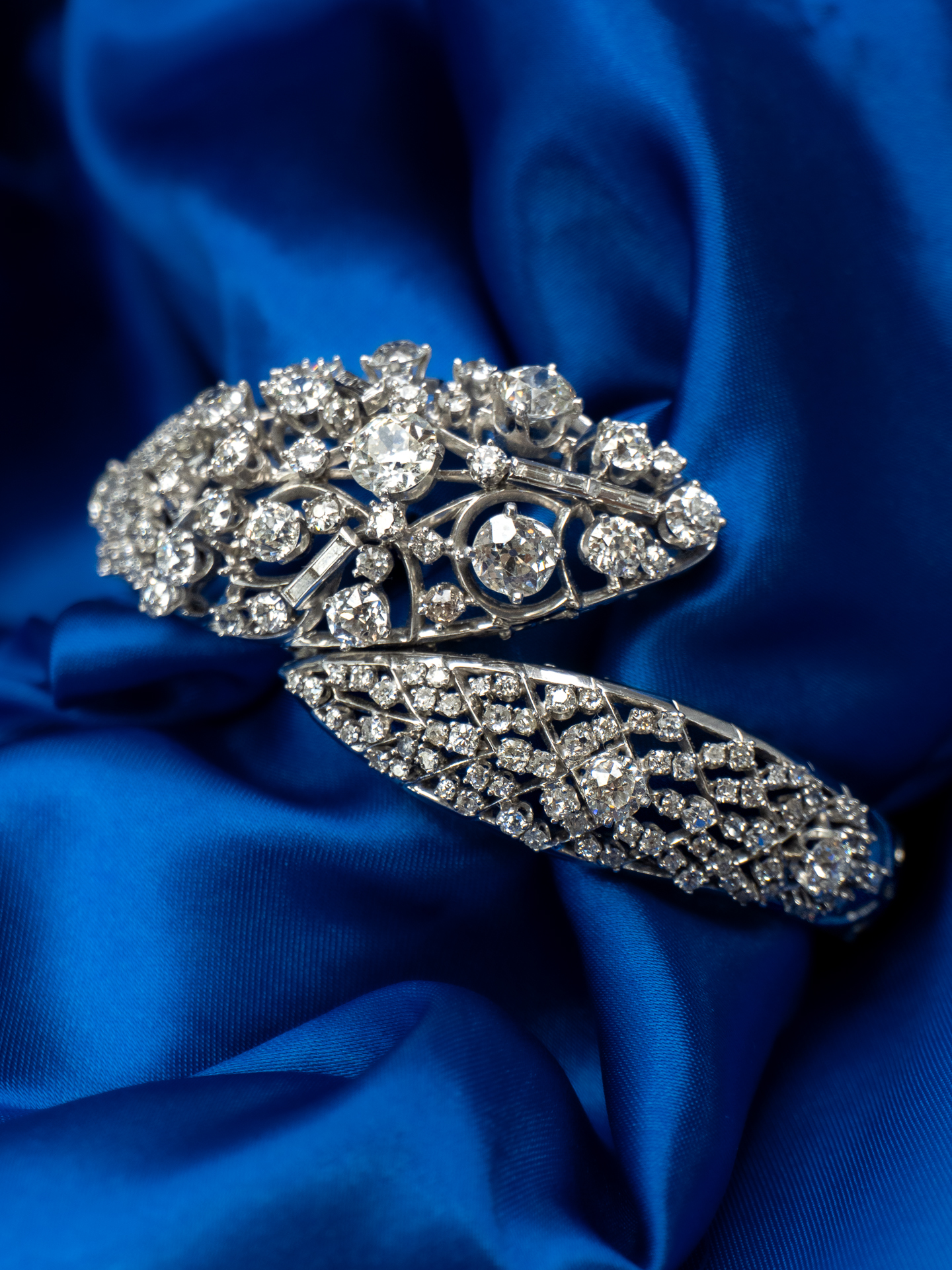
Why the Current Value of Your Natural Diamond Matters
Many people assume that diamonds only go up in value over time. In reality, diamond prices move in cycles, and what you paid five, ten, or twenty years ago may be very different from what your stone would fetch today. Knowing the current value of your natural diamond is essential if you are considering upgrading your ring, selling a piece you no longer wear, insuring your jewelry properly, or settling an estate or divorce fairly.
💡 Pro Tip: Keep your grading report (such as GIA or IGI) with your diamond. An up-to-date certificate paired with a professional appraisal makes it far easier to get an accurate, market‑realistic valuation.
What Recent Market Fluctuations Mean for Owners
The broader diamond market has been on a roller coaster. Industry research suggests that the global diamond market is still growing overall, but only modestly. Beneath that headline, prices have been under real pressure, especially at the smaller sizes that many people own.
In the first half of 2026, U.S. diamond prices slipped, but the story is not entirely negative, however. Supply from some mines is expected to decline later this decade as operations wind down, which could support natural diamond prices over the long term. Demand for natural stones has also begun to recover in key markets like the U.S. and China, with younger buyers—especially Gen Z—spending significantly on diamond jewelry. This mix of short‑term softness and longer‑term scarcity is exactly why revisiting your diamond’s value now is so important: today’s market conditions may look very different from those in a few years’ time.
How Laboratory‑Grown Diamonds Are Reshaping the Market
One of the biggest forces behind recent price shifts is the rapid rise of laboratory‑grown diamonds. These are real diamonds, created in controlled environments rather than mined from the earth. The lab‑grown segment, valued at more than $22 billion in 2022, is expanding quickly, with forecasts pointing to nearly 9.4% annual growth through 2030. As technology improves, production costs fall, and quality becomes nearly indistinguishable from many natural stones to the naked eye.
For consumers, lab‑grown diamonds offer two major attractions: lower upfront prices and a perception of being more ethical and environmentally friendly. This has pushed many retailers to feature lab‑grown options prominently in engagement and fashion collections. At the same time, lab‑grown prices themselves are dropping quickly—their global price index fell around 9.3% in early 2026, with some larger lab‑grown stones in the U.S. plunging by double‑digit percentages. That rapid decline reinforces a key distinction: while lab‑grown diamonds are excellent for maximizing size and sparkle for a given budget, they tend to depreciate faster than natural stones.
By contrast, natural diamonds are increasingly positioned as a scarce luxury good—something tied to rarity, heritage, and long‑term emotional value. With future mine production expected to taper off, many in the industry believe that high‑quality natural diamonds, particularly in larger sizes, will hold their value better over time. If you already own a natural diamond, the growing presence of lab‑grown stones does not necessarily diminish its worth; instead, it can highlight the unique combination of rarity and sentiment your stone represents, provided you understand its true standing in today’s market.
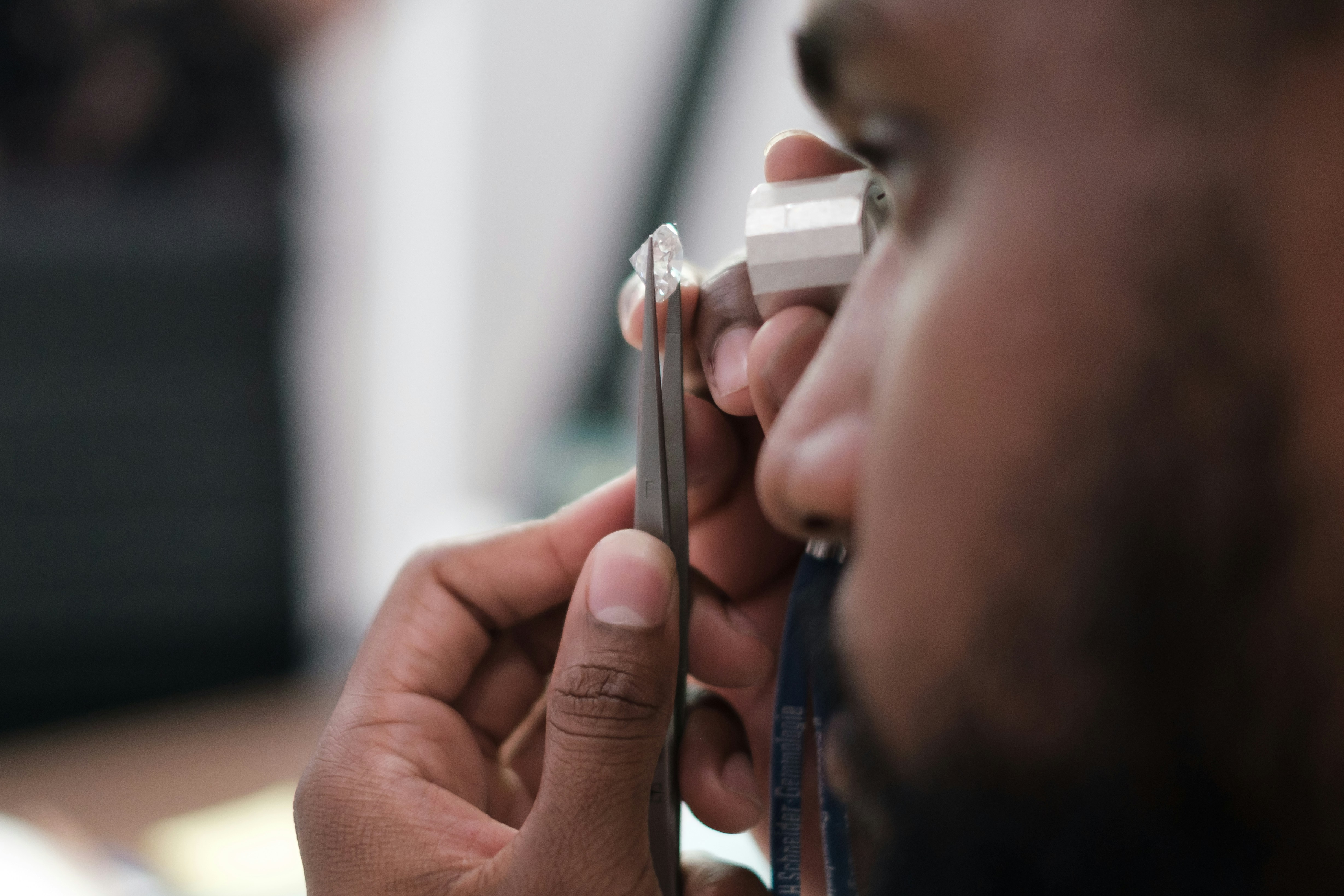
Practical Steps to Take Now
If you have not had your diamond evaluated in several years, consider booking a fresh appraisal with an independent jeweler or certified gemologist who understands both natural and lab‑grown pricing. Of course, you can ask the team at King's for a valuation that reflects current retail replacement cost as well as a realistic resale range. Review your insurance coverage to make sure your policy limits still match the stone’s updated value, especially if it is a larger or higher‑quality diamond.
Finally, remember that your diamond’s worth is not only financial. Market reports and price charts provide an important baseline, but personal history—an engagement, an anniversary, a gift from a loved one—adds a layer of meaning that no index can measure. Understanding the current value of your natural diamond simply gives you the knowledge and confidence to make informed decisions in a market that is changing faster than ever.