Unlock Cash with Collateral Loans, Keep Your Jewelry
Personal Finance, Collateral Loans, Jewelry
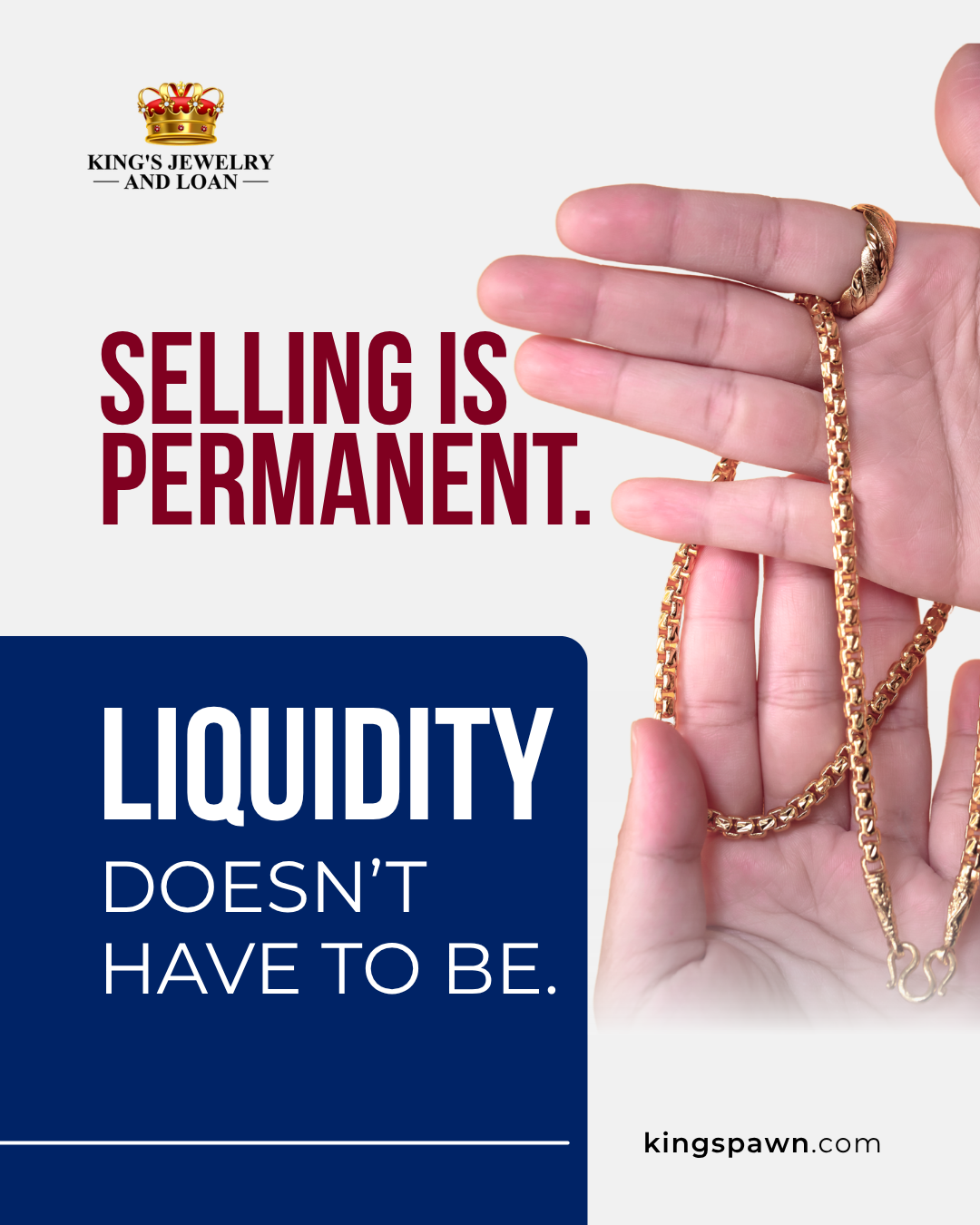
Selling Is Permanent. Liquidity Doesn’t Have to Be.
When you need cash quickly, selling something valuable can feel like the only option. But it isn’t. Collateral loans can help you unlock the value of your jewelry and other assets while you keep ownership and the memories they hold.
Owning Value vs. Having Cash in Hand
It’s easy to assume that if money is tight, you have to sell something to solve the problem. Yet there’s an important difference between owning valuable assets and having cash available. Jewelry, watches, and other fine items may sit quietly in a box, but they represent real financial value that you’ve built over time. The challenge is not that you lack value—it’s that your value isn’t currently in liquid form.
Liquidity simply means how quickly something can be turned into cash. Cash in your bank account is perfectly liquid. A diamond necklace, on the other hand, is valuable but not immediately spendable. You don’t have to give up that necklace forever just to handle an unexpected bill or an exciting opportunity. Instead, you can use it as a bridge to the liquidity you need right now.
How Collateral Loans Turn Assets into Liquidity—Without Selling
A collateral loan lets you borrow against the value of an item you already own. Instead of selling your jewelry, you temporarily use it as security for a loan. The lender holds the piece during the loan term, and you receive cash based on its appraised value. When you repay the loan, you get your jewelry back—simple, clear, and far less final than selling.
This approach provides flexible liquidity. You can cover medical expenses, smooth out a cash-flow gap, fund a small business project, or handle a life event, all without parting with something you care about. Selling is a one-way door; collateral lending is more like borrowing a key and returning it when you’re done. One form of collateral lending familiar to most consumers is a HELOC, or Home Equity Line of Credit.
Jewelry: Financial Worth and Personal Meaning
Jewelry often carries two kinds of value. There’s the market value—the quality of the gold, the carat weight of the diamonds, the brand name on the watch. Then there’s the emotional value: the engagement ring from a proposal, a bracelet passed down from a grandparent, or earrings you bought to celebrate a milestone. Once these pieces are sold, both types of value are gone for good.
Collateral loans respect both sides of that value. They recognize the financial strength of your jewelry while allowing you to keep the stories and memories attached to it. You can solve a short-term need without rewriting the longer story of your life and the pieces that mark it.
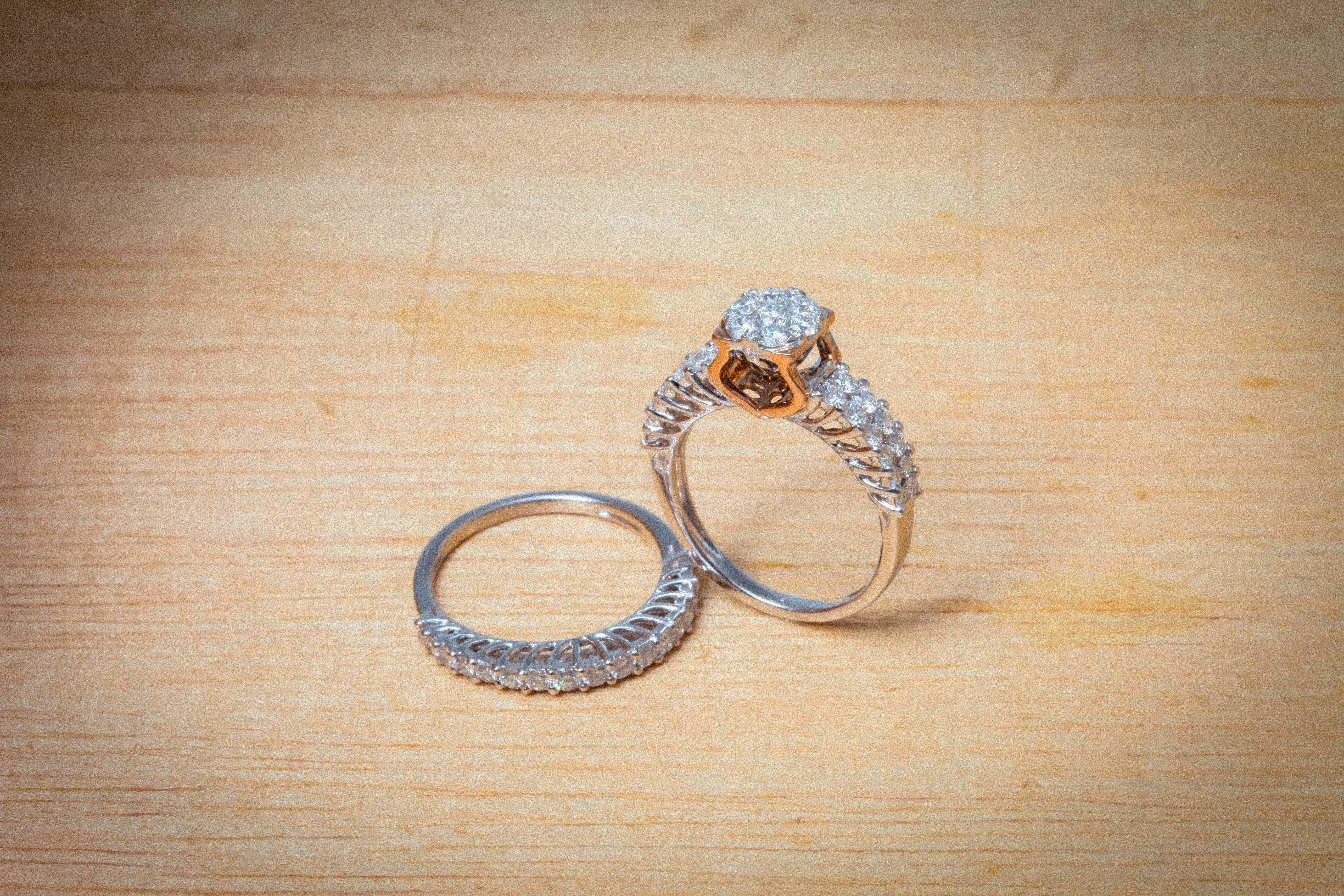
Expert evaluations help ensure your jewelry’s true value supports a fair and transparent loan.
The Benefits of Accessing Cash While Keeping Ownership
Using a collateral loan to access liquidity offers several friendly advantages over selling. First, you retain ownership. Your jewelry remains yours, and once the loan is repaid, it returns to your hands just as you left it. That means you’re solving today’s problem without sacrificing tomorrow’s options or your favorite heirlooms.
Second, collateral loans are often straightforward and fast. Because the loan is based on the asset itself, approval can be simpler than traditional borrowing. There’s typically no need for lengthy income checks or complicated paperwork. Your jewelry does the talking for you, and its value opens the door to the funds you need.
Why Professional Evaluations Matter
A fair loan starts with a fair evaluation. Professional appraisals ensure your jewelry is assessed accurately, taking into account factors like metal purity, gemstone quality, craftsmanship, and current market conditions. A trained evaluator can spot details that casual buyers or online listings might overlook, which can make a meaningful difference in the loan amount you receive.
Working with a reputable lender who uses experienced professionals also brings peace of mind. You’ll understand how the value was determined, what terms apply to your loan, and how your jewelry will be stored and protected. That transparency helps you feel confident that you’re making a smart, informed choice—not a rushed decision under pressure.
Collateral Lending vs. Selling: Choosing the Smarter Option
When you sell, you trade your asset for cash once—and that’s the end of the story. If the item later increases in value, or if you simply miss it, there’s no easy way to undo that choice. With collateral lending, your jewelry continues to work for you. It supports your financial needs today and remains part of your life tomorrow.
In many cases, borrowing against valuable assets can be a more flexible, less emotional path than selling. You gain access to funds, maintain privacy, and avoid the regret that can come from letting go of a meaningful piece too quickly or for too little. Instead of seeing your jewelry as something you might lose, you can see it as a quiet financial partner standing by when you need it most.
💡 Friendly Reminder: Before you decide to sell a cherished piece, take a moment to explore whether a collateral loan could give you the cash you need while allowing you to keep what you love.
Before You Sell, Consider Borrowing Instead
Financial stress can make any decision feel urgent, but you deserve options that honor both your wallet and your memories. Before you choose to sell a piece of jewelry, consider speaking with a trusted collateral lender. Ask about their evaluation process, loan terms, and how they protect your items. A short, friendly conversation may reveal that you can secure the liquidity you need without saying goodbye to something important to you.
Selling is permanent. Liquidity doesn’t have to be. With the right guidance and a professional evaluation, your jewelry can help you move through life’s ups and downs—while it stays right where it belongs: with you.